
-(VERSION-2)_Calves_small.png)
_Thighs_small.png)
_Thighs_small.png)
_Thighs_small.png)
-male_Thighs_small.png)
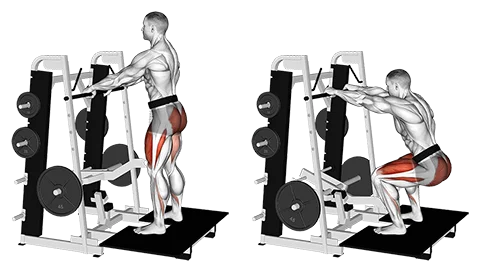
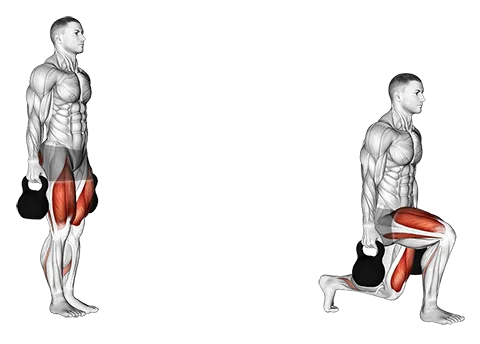
_Hips_small.png)
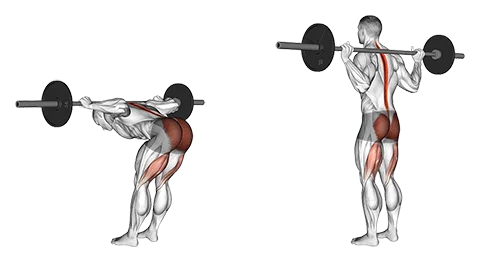
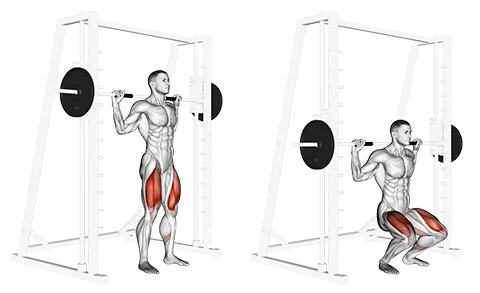
_Calves_small.png)
_Thighs_small.png)
Training legs means building a strong, athletic foundation. Whether you're chasing strength, speed, size, or balance — lower-body work is essential. In Volym, you’ll find exercises that hit quads, hamstrings, glutes, calves, and everything in between.
What Counts as a "Leg" Exercise?
Leg day isn’t just squats (but yes, we love squats). These are the key movers we focus on:
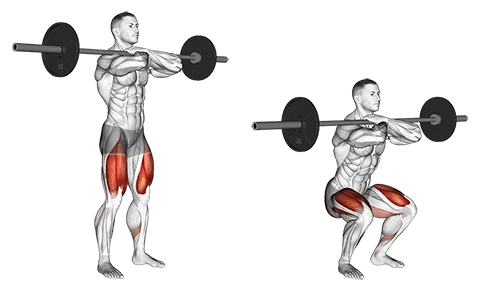
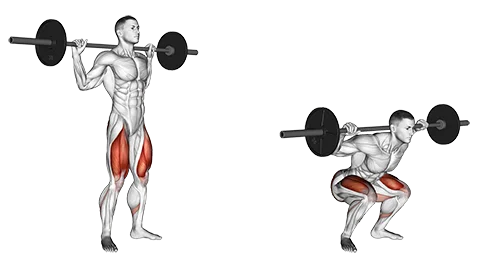
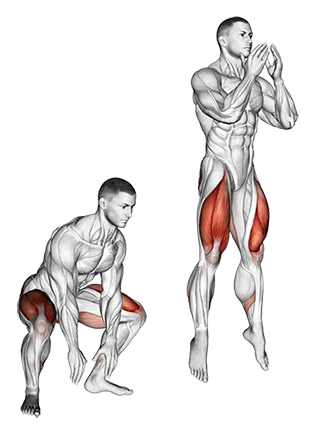
- Quads: Front of your thighs — crucial for squatting, lunging, and jumping.
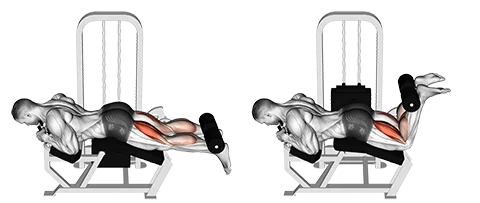
- Hamstrings: Back of your legs — key for hip extension, deadlifts, and deceleration.
- Glutes: Technically a separate category, but heavily involved in most compound lifts.
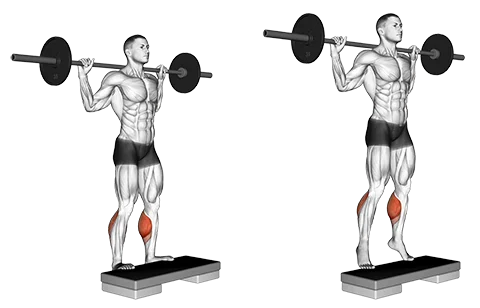
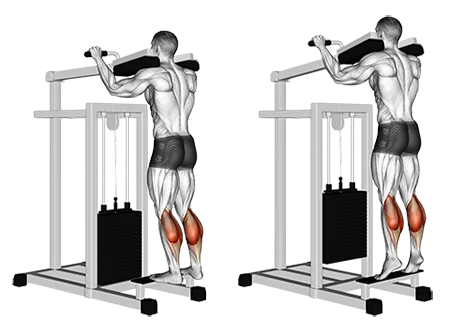
- Calves: Lower leg — support ankle movement and balance.
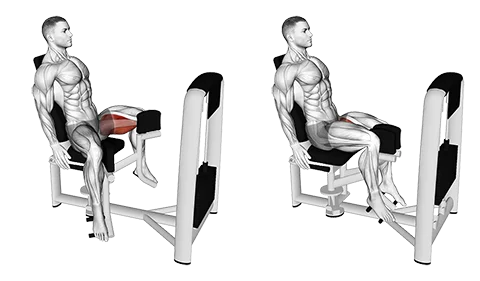
- Adductors/Abductors: Hip stabilizers — often overlooked, but important.
A complete leg routine hits all these areas with a mix of movement patterns.
Popular Leg Exercises
Here are some of the top lower-body movements in Volym:
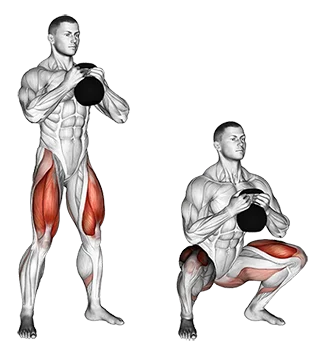
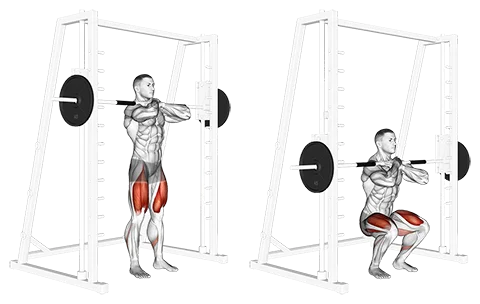
- Squats: Back, front, goblet, and split variations.
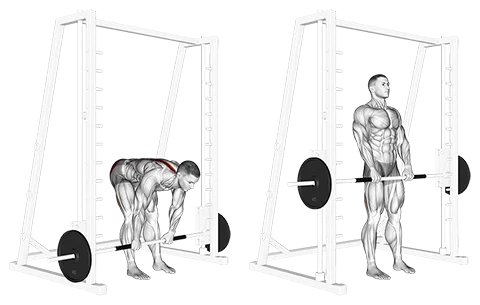
- Deadlifts: Conventional, Romanian (RDL), sumo — barbell or dumbbell.
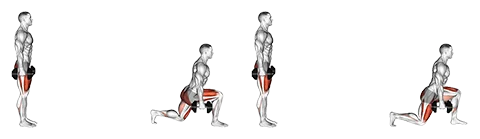
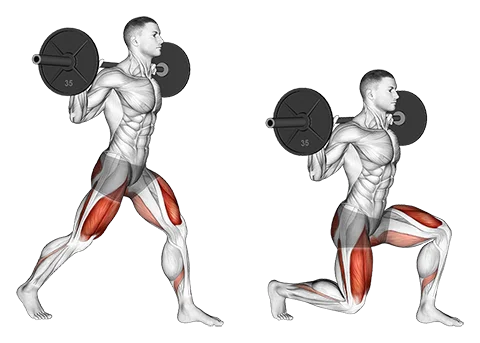
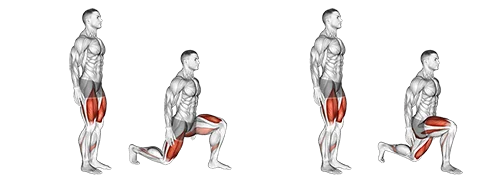
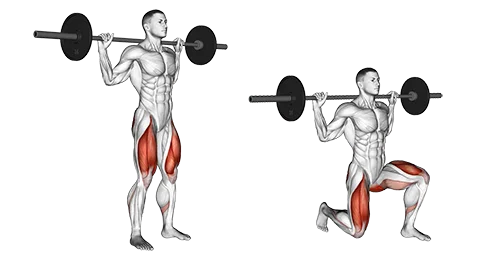
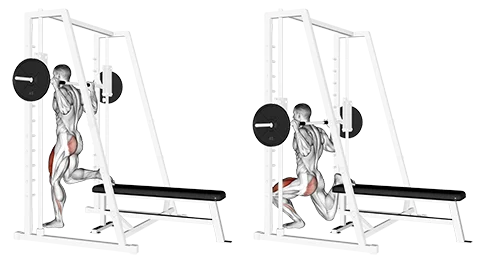
- Lunges: Walking, reverse, Bulgarian — great for single-leg strength.
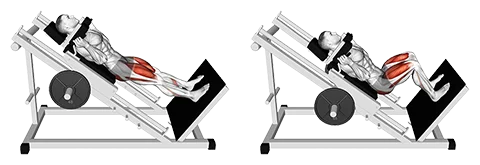
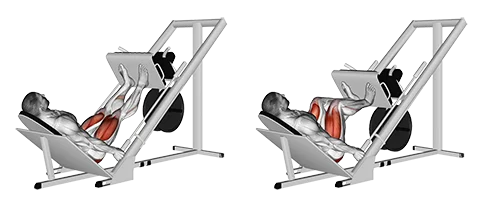
- Leg Press & Extensions: Machine-based options for quad focus.
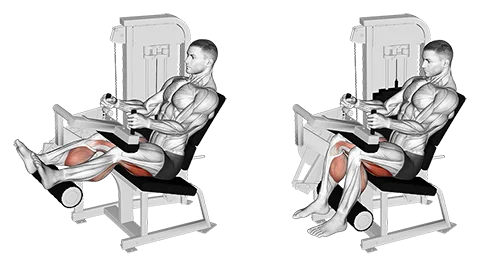
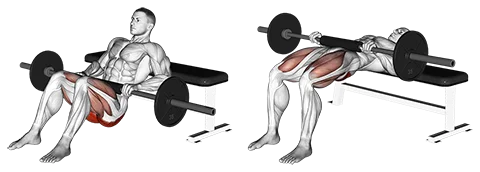
- Leg Curls & Glute Bridges: Posterior chain isolation.
💡 Pro tip: Don’t just chase weight — work through full range of motion and control to get the most out of each rep.
Equipment for Leg Training
You can train legs hard with any setup:
Mix heavy compound lifts with isolation and single-leg work for balance and symmetry.
Final Thoughts
Leg training is tough—but worth it. Strong legs improve athleticism, power, balance, and everyday performance. Skip leg day? Not in Volym.
Embrace the burn. Earn the gains. 🦵🔥
Remember, the sheer difficulty of a workout is irrelevant if you can’t quantify the progress. Strong legs require a smart, measurable approach. Instead of just checking off "Leg Day," you need to know if your total work output (your actual training volume) is increasing week over week. This is what truly drives the adaptation. If you want to stop guessing and start tracking measurable progress in your total tonnage and overload, Volym makes it simple.
The Principle of Progressive Volume
Training a body part isn't just about choosing big movements; it's about managing stress and ensuring overload over time. The single most important metric for making legs stronger or bigger is not weight, but total accumulated volume (tonnage). If you lift the same weight for the same reps week after week, you aren't progressing. You need to track your entire training load—the combination of sets, reps, and weight—to ensure you are consistently increasing the stimulus required for growth.
How to progress your leg training:
- Increase Weight: Keep sets/reps constant, lift heavier.
- Increase Volume: Add a set or two to a primary movement.
- Increase Difficulty: Transition from machine work to free weights, or move to a more advanced variation (e.g., switching from box squats to Olympic squats).
1–2 sessions per week works well for most. Make sure you recover — leg training is demanding.
Squats are king, but combine them with deadlifts, lunges, and machines for complete development.
Yes — especially with tempo control, single-leg work, and volume. Bodyweight training can be extremely effective when done right.
For most intermediate lifters, 2 sessions per week is effective, allowing enough time for high-quality recovery. Don't train the same muscles with maximal load every session.
You won't just feel strong. You'll track it. Progress is defined by quantifiable metrics like increasing total sets, reps, or, most accurately, total tonnage over time.