Bodyweight Training Overview: Build Strength Anywhere

Superman

Body Part:

Back

Equipment:

Bodyweight

Primary Muscles:

Erector Spinae

Synergistic Muscles:

Gluteus Maximus + 1
Plank

Body Part:

Core

Equipment:

Bodyweight

Primary Muscles:

Rectus Abdominis

Synergistic Muscles:

Deltoid Anterior + 5
Side Plank

Body Part:

Core

Equipment:

Bodyweight

Primary Muscles:

Obliques

Synergistic Muscles:

Not added yet
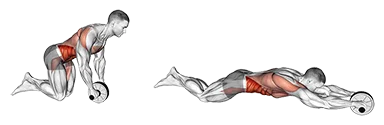
Ab Wheel

Body Part:

Core

Equipment:

Bodyweight

Primary Muscles:

Rectus Abdominis + 1

Synergistic Muscles:

Adductor Brevis + 8
Air Bike

Body Part:

Core

Equipment:

Bodyweight

Primary Muscles:

Obliques

Synergistic Muscles:

Gluteus Maximus + 2
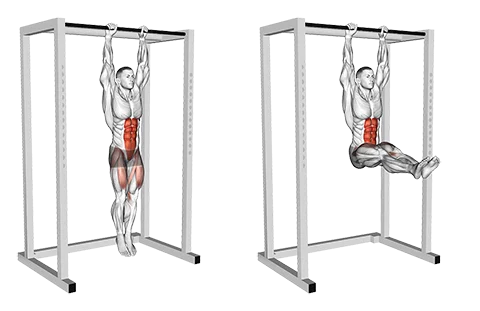
Hanging Leg Raise

Body Part:

Core

Equipment:

Bodyweight

Primary Muscles:

Iliopsoas

Synergistic Muscles:

Adductor Brevis + 5
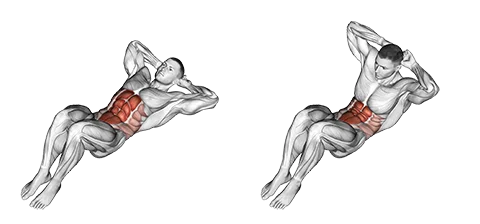
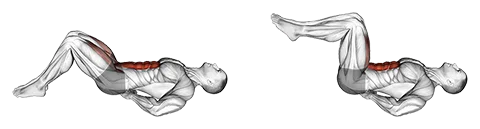
Crunch

Body Part:

Core

Equipment:

Bodyweight

Primary Muscles:

Rectus Abdominis

Synergistic Muscles:

Obliques
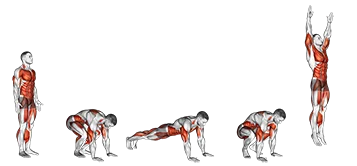
Burpee

Body Part:

Full Body

Equipment:

Bodyweight

Synergistic Muscles:

Not added yet
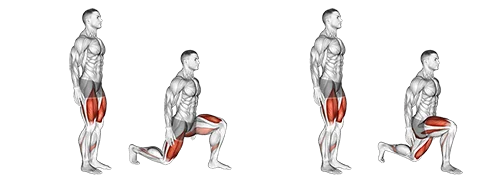
Lunge

Body Part:

Legs

Equipment:

Bodyweight

Primary Muscles:

Gluteus Maximus + 1

Synergistic Muscles:

Adductor Magnus + 1
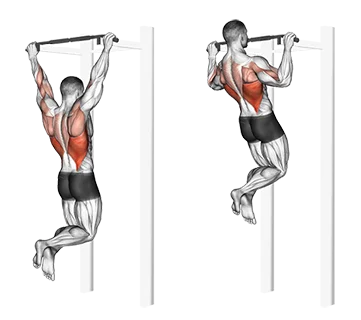
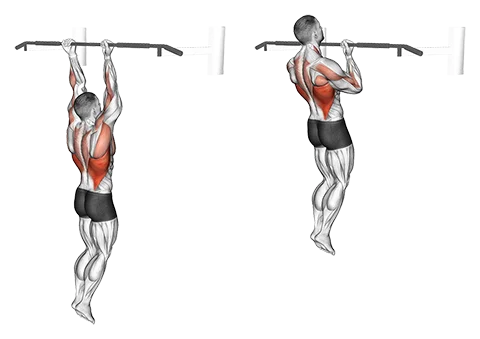
Pull-Up

Body Part:

Back

Equipment:

Bodyweight

Primary Muscles:

Latissimus Dorsi

Synergistic Muscles:

Brachialis + 7
Reverse Lunge

Body Part:

Legs

Equipment:

Bodyweight

Primary Muscles:

Gluteus Maximus + 1

Synergistic Muscles:

Adductor Magnus + 1
Russian Twist

Body Part:

Core

Equipment:

Bodyweight

Primary Muscles:

Obliques

Synergistic Muscles:

Iliopsoas
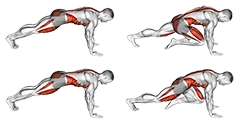
Mountain Climber

Body Part:

Full Body

Equipment:

Bodyweight

Synergistic Muscles:

Not added yet
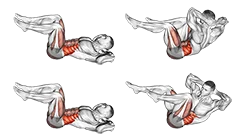
Ab Scissor

Body Part:

Core

Equipment:

Bodyweight

Primary Muscles:

Gluteus Medius + 1

Synergistic Muscles:

Adductor Brevis + 6
Chin-Up

Body Part:

Back

Equipment:

Bodyweight

Primary Muscles:

Latissimus Dorsi

Synergistic Muscles:

Brachialis + 6
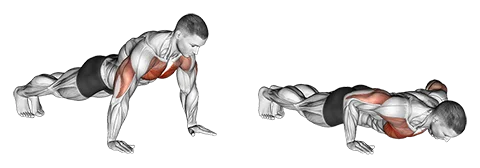
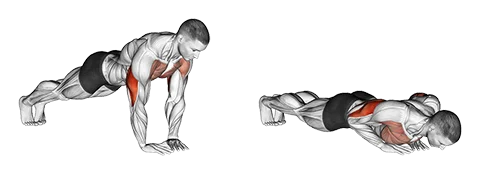
Push-Up

Body Part:

Chest

Equipment:

Bodyweight

Primary Muscles:

Pectoralis Major Sternal Head

Synergistic Muscles:

Deltoid Anterior + 2
Jumping Jack

Body Part:

Cardio

Equipment:

Bodyweight

Synergistic Muscles:

Not added yet
Glute Bridge

Body Part:

Glutes

Equipment:

Bodyweight

Primary Muscles:

Gluteus Maximus

Synergistic Muscles:

Hamstrings
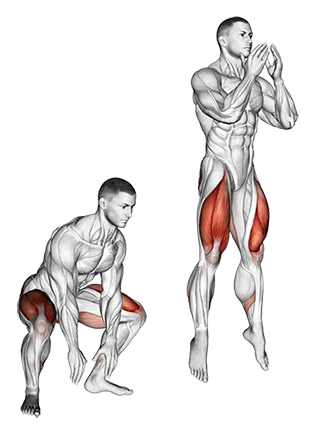
Jump Squat

Body Part:

Legs

Equipment:

Bodyweight

Primary Muscles:

Gluteus Maximus + 1

Synergistic Muscles:

Adductor Magnus + 1
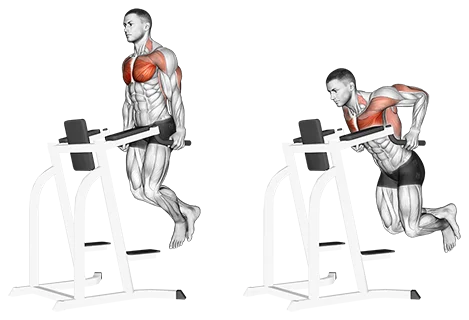
Chest Dip

Body Part:

Chest

Equipment:

Bodyweight

Primary Muscles:

Pectoralis Major Sternal Head

Synergistic Muscles:

Deltoid Anterior + 4
Lying Bicycle Crunch

Body Part:

Core

Equipment:

Bodyweight

Primary Muscles:

Gluteus Maximus + 2

Synergistic Muscles:

Quadriceps + 2
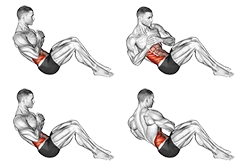
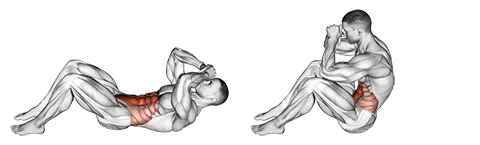
Sit-Up

Body Part:

Core

Equipment:

Bodyweight

Primary Muscles:

Rectus Abdominis

Synergistic Muscles:

Obliques
Pistol Squat

Body Part:

Legs

Equipment:

Bodyweight

Primary Muscles:

Gluteus Maximus + 1

Synergistic Muscles:

Adductor Magnus + 1
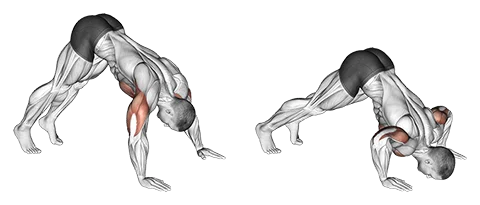
Pike Push-Up

Body Part:

Chest

Equipment:

Bodyweight

Primary Muscles:

Deltoid Anterior

Synergistic Muscles:

Pectoralis Major Clavicular Head + 3
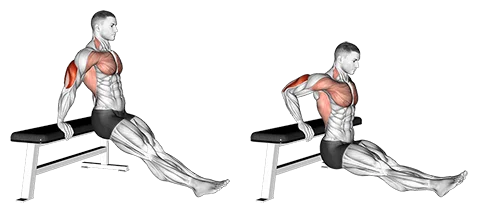
Chair Triceps Dip

Body Part:

Arms

Equipment:

Bodyweight

Primary Muscles:

Triceps Brachii

Synergistic Muscles:

Deltoid Anterior + 4
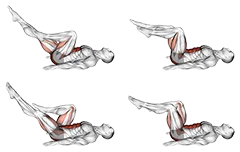
Lying Bent Leg Raise

Body Part:

Core

Equipment:

Bodyweight

Synergistic Muscles:

Not added yet
Hand Walkout

Body Part:

Full Body

Equipment:

Bodyweight

Primary Muscles:

Iliopsoas + 3

Synergistic Muscles:

Adductor Magnus + 9
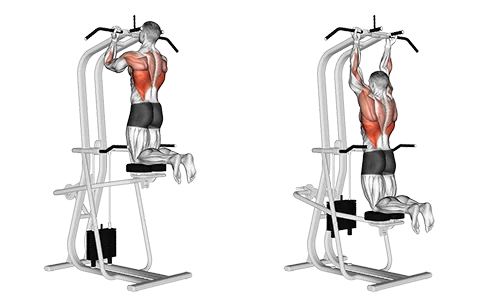
Assisted Chin-Up

Body Part:

Back

Equipment:

Bodyweight

Primary Muscles:

Latissimus Dorsi

Synergistic Muscles:

Brachialis + 5
Squats

Body Part:

Legs

Equipment:

Bodyweight

Primary Muscles:

Gluteus Maximus + 1

Synergistic Muscles:

Adductor Magnus + 1
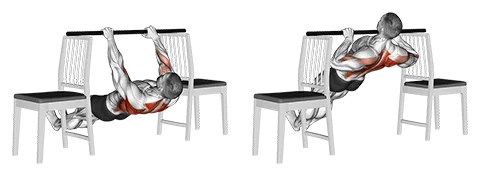
Inverted Row

Body Part:

Back

Equipment:

Bodyweight

Primary Muscles:

Infraspinatus + 5

Synergistic Muscles:

Biceps Brachii + 3
Diamond Push-Up

Body Part:

Arms

Equipment:

Bodyweight

Primary Muscles:

Triceps Brachii

Synergistic Muscles:

Deltoid Anterior + 2
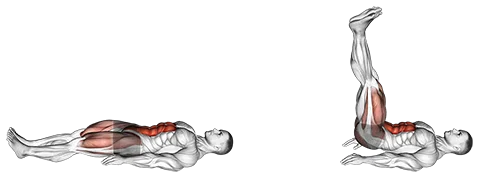
Lying Leg Raise

Body Part:

Core

Equipment:

Bodyweight

Primary Muscles:

Rectus Abdominis

Synergistic Muscles:

Gluteus Maximus + 4
Lying Floor Leg Raise

Body Part:

Core

Equipment:

Bodyweight

Primary Muscles:

Iliopsoas + 1

Synergistic Muscles:

Adductor Brevis + 7
Leg Raise Alternating

Body Part:

Core

Equipment:

Bodyweight

Primary Muscles:

Iliopsoas + 1

Synergistic Muscles:

Quadriceps + 1

Body Part:

Core

Equipment:

Bodyweight

Primary Muscles:

Pectoralis Major Clavicular Head + 2

Synergistic Muscles:

Deltoid Anterior + 4

Body Part:

Legs

Equipment:

Bodyweight

Primary Muscles:

Gluteus Maximus + 1

Synergistic Muscles:

Adductor Magnus + 1

Body Part:

Glutes

Equipment:

Bodyweight

Primary Muscles:

Gluteus Maximus

Synergistic Muscles:

Hamstrings + 1

Body Part:

Glutes

Equipment:

Bodyweight

Primary Muscles:

Gluteus Maximus + 1

Synergistic Muscles:

Adductor Magnus + 1

Body Part:

Legs

Equipment:

Bodyweight

Primary Muscles:

Gluteus Maximus + 1

Synergistic Muscles:

Adductor Magnus + 1

Published April 13, 2025 — Last updated April 18, 2025

Bodyweight training is one of the most accessible and underrated ways to build strength, mobility, and control — no gym or equipment required. Whether you're at home, in a park, or on the go, your own body is all you need.

Why Train with Bodyweight?

Bodyweight exercises aren’t just for beginners. Done right, they can challenge even advanced athletes. Here’s why they work:

  • Anywhere, Anytime: No equipment needed.
  • Scalable: Modify difficulty by changing angles or tempo.
  • Functional Strength: Great for mobility, balance, and joint control.
  • Beginner-Friendly: Start with the basics, and progress at your pace.

Bodyweight vs Other Equipment

While equipment has its perks, bodyweight training holds its own:

  • Barbells: Best for heavy compound lifts and max strength.
  • Dumbbells: Great for unilateral work and adding resistance.
  • Machines: Offer isolation and support, but limited freedom of movement.

Bodyweight is unbeatable for convenience and functional strength.

Getting Started Safely

Just you and gravity — but still important to stay safe:

  • Focus on form over speed or reps.
  • Don’t skip the warm-up — prep your joints.
  • Use a mat or soft surface when needed.
  • Start with assisted versions (like incline push-ups) if full versions are too tough.

Programming Bodyweight Workouts

There’s more variety than you might think. Try mixing and matching:

  • Strength Focus: Push-ups, dips, pull-ups, pistol squats.
  • Mobility & Core: Hollow holds, planks, bridges, animal movements.
  • Conditioning: Jump squats, burpees, mountain climbers.

Start with full-body circuits or focus on push/pull splits using only bodyweight movements.

Making progress on bodyweight training requires logging more than just "did I do a workout." It requires tracking the variables that actually build strength: set count, rep count, time under tension, and how difficult the variation was. If you can’t quantify the load, you can’t prove that you are getting stronger over time. That’s where a tracker that focuses on cumulative load comes in.

Progressive Overload: How to Challenge Your Bodyweight

Bodyweight training is inherently scalable, but without a system, it's just random sets of push-ups. To progress and keep making gains, you must manipulate variables—this is progressive overload in action. When weights aren't available, you adjust the difficulty in other ways:

  1. Tempo Control (Time Under Tension): Slow down the eccentric (lowering) phase of the movement. Instead of snapping up and down, count 3 seconds on the way down for a perfect chest fly. This increases the time tension on the muscle fibers.
  2. Increase Range of Motion (Depth): When doing squats, try to reach parallel or deeper. When doing push-ups, elevate your hands on parallettes to allow your shoulders to descend further, maximizing the stretch.
  3. Increase Volume or Density: Instead of doing 3 sets of 10 push-ups, try for 5 sets of 5 (higher volume), or perform the same number of reps in less time (higher density circuit).
  4. Advanced Variations: Progress from standard movements to harder, single-joint variations.
    • Squats: -> Bulgarian Split Squats -> Pistol Squats.
    • Push-ups: -> Diamond Push-ups -> Plyometric Push-ups.

If you aren't tracking how you changed the variable (e.g., "This week I did 4 sets of 12 slow-tempo push-ups"), you aren't tracking progress.

Frequently Asked Questions

Absolutely — with enough volume, time under tension, and smart progressions, you can build real strength and size.

Use regressions like incline push-ups or negative pull-ups. Everyone starts somewhere.

3–5 times a week works great. They're lower impact and easier to recover from.

No. It's about systemic overload. If you lift 100 reps of something easy, you get endurance. If you lift 30 reps with a difficult tempo or variation, you are building true strength.

You need to change the stimulus. If high reps stop working, decrease the reps and increase the difficulty (e.g., use a harder variation or a slower tempo).

You need a cumulative metric. Tracking total tonnage (or, in this case, total effective difficulty score) over weeks is the only way to confirm you are consistently stressing your system enough to adapt.