
_Hips_small.png)
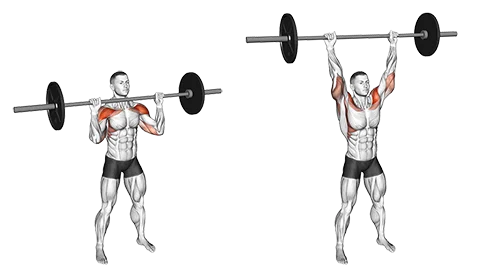
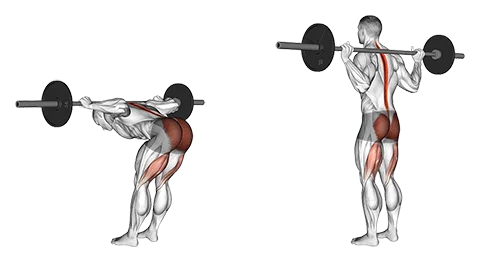
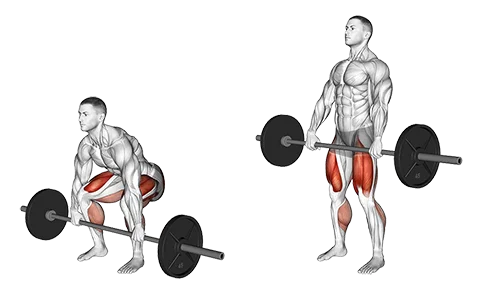
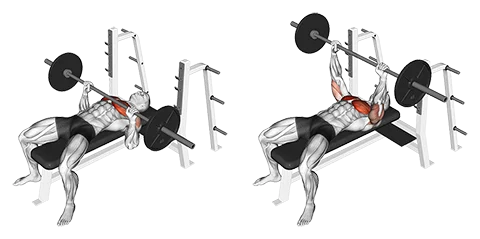
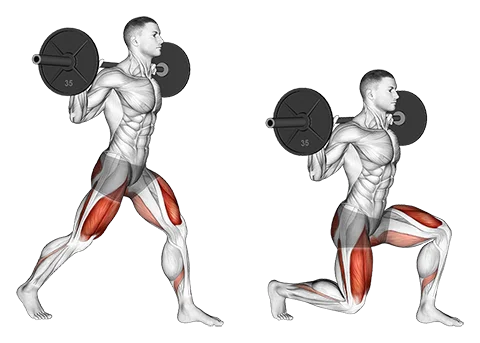
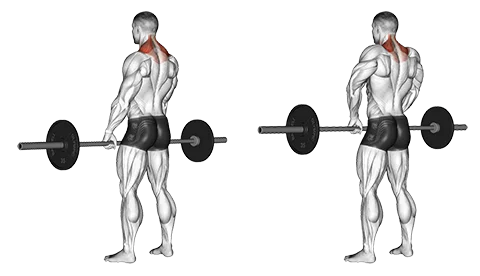
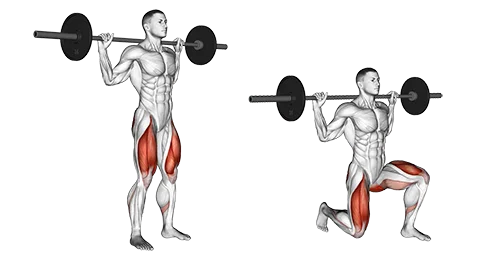
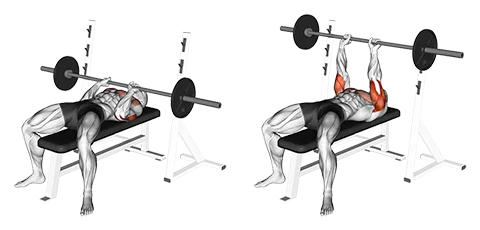
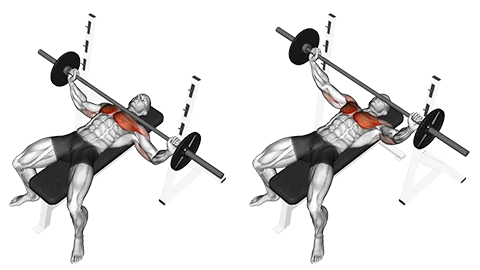
Barbells are the cornerstone of strength training. Whether you're squatting, deadlifting, or pressing overhead, barbell exercises enable progressive overload — the key to building full-body strength and muscle mass.
Why Train with Barbells?
Barbell training is unmatched for building raw strength and size. A few reasons why:
- Efficiency: Train multiple muscle groups in one lift.
- Progressive Overload: Easy to add small weight increases.
- Scalability: Great for both beginners and experienced lifters.
- Time-Saving: Compound lifts give more bang for your buck.
Barbell vs Other Equipment
Barbells aren’t your only option — but they are often the best when your goal is strength. Here's how they compare:
- Dumbbells: Offer more freedom of movement and range, but harder to load heavy.
- Machines: Great for isolation and safety, but limit natural motion.
- Kettlebells: Versatile and dynamic, but not ideal for max strength.
Getting Started Safely
Just starting out? Keep it simple and safe:
- Master the form before adding weight.
- Start with just the bar (usually 20 kg / 45 lbs).
- Use safety clips and a rack setup when needed.
- Don’t hesitate to ask for a spotter or coach.
Programming for Sustainable Gains
Your goal determines your structure. Don't just "lift heavy"—lift smart. Programming is about managing fatigue and guaranteeing measurable progression.
Focus on these three variables, rather than just the weight on the bar:
- Intensity (RIR): How close are you to failure? For pure strength, leave 1-2 reps in the tank (RIR). For hypertrophy, push closer.
- Volume (Total Tonnage): This is the biggest factor. Are you increasing the total work done week over week? More volume = more adaptation.
- Frequency: How often can you hit the movement without compromising technique or recovery? 2-3 times a week is often the sweet spot for most people.
Remember: The weights you lift last month are irrelevant if your total tonnage (sets × reps × weight) hasn't increased. Always track that cumulative load.
Warming Up and Setup: The Forgotten 80%
Never walk into a heavy lift cold. The setup and warm-up are non-negotiable for performance and injury prevention. Treat them like a dedicated part of the workout, not a suggestion.
- Dynamic Movement: Start with general mobility work related to the movement pattern (e.g., leg swings for squats, band pull-aparts for presses). Never use static stretching before a lift.
- Movement Specific Warm-up: Perform the first two or three movements at very light weight. The goal is not reps; it's feeling the proper tension curve and establishing neuromuscular connection.
- Progressive Loading: Increase weight incrementally. You should feel slightly challenged by the final warm-up set, but not fatigued.
Goal: Establish perfect form and peak muscle engagement before adding the working load.
Start with the squat or the bench press. These movements teach you fundamental patterns (quads, chest) and are easier to master safely than deadlifts initially.
Don't just track the weight. Track the total tonnage you accumulate across all your sessions. This is the real metric that proves you are getting stronger.
It means systematically making the workout harder over time—whether by adding weight, doing more reps, increasing sets, or improving the technique.