
_Waist_small.png)
_Back_small.png)
_Back_small.png)
_Back_small.png)
_Back_small.png)
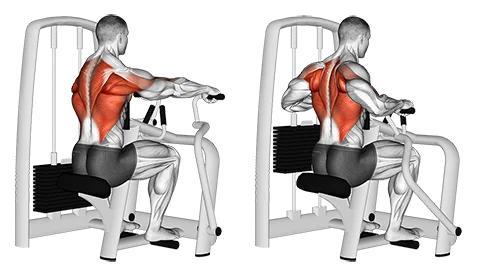
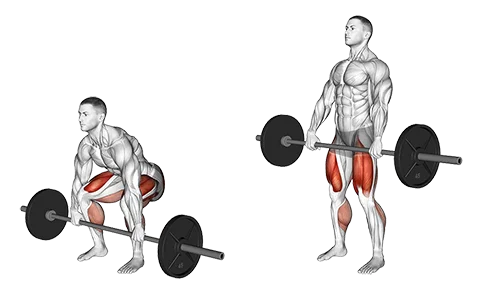
Want to build strength, improve posture, and balance out your training? Back exercises are key. In Volym, you’ll find pulling movements that target your lats, traps, rhomboids, and spinal stabilizers — all essential for a strong, functional body.
What Counts as a "Back" Exercise?
Back training covers a wide range of muscles and movement patterns:
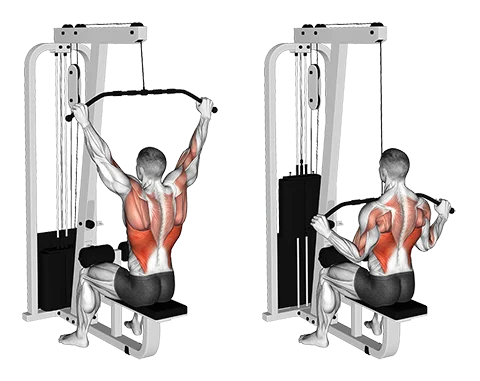
- Lats (latissimus dorsi): The “wings” — pull your arms down and back.
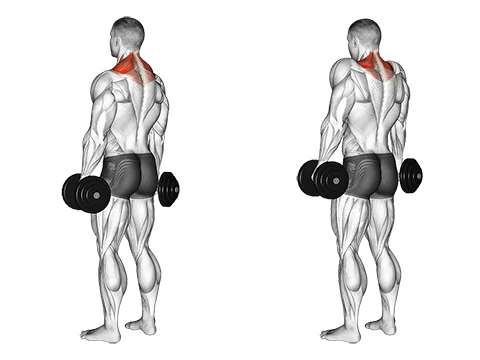
- Traps & Rhomboids: Upper and mid-back — posture and retraction.
- Erector Spinae: Spinal support — help keep your torso stable and upright.
- Teres & Rear Delts: Assist in pulling and shoulder movement.
Together, they support better posture, stronger deadlifts, and more efficient pulling mechanics.
Popular Back Exercises
Here are some of the most effective back movements in Volym:
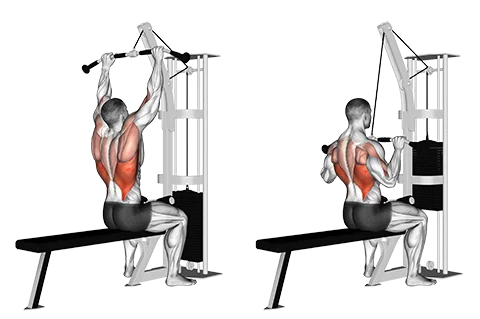
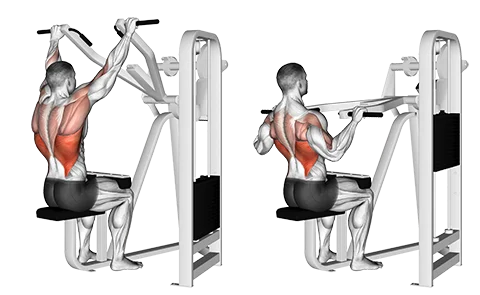
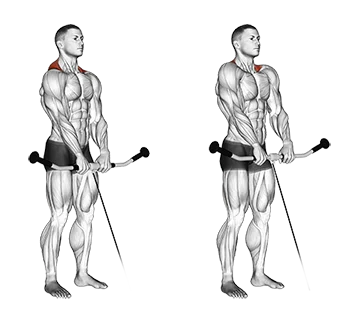
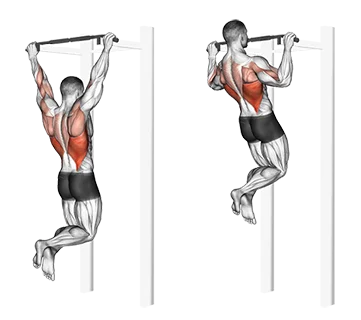
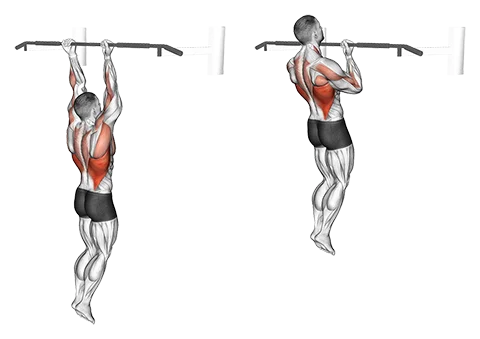
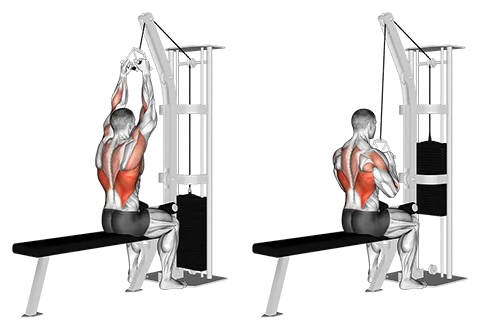
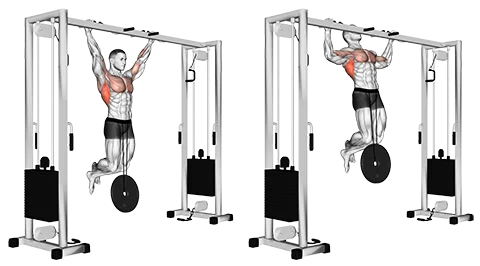
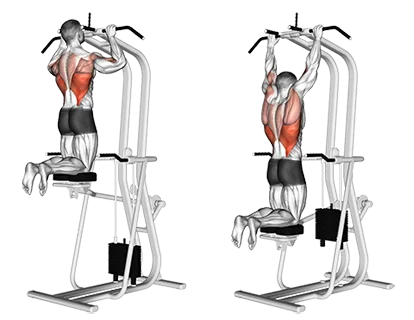
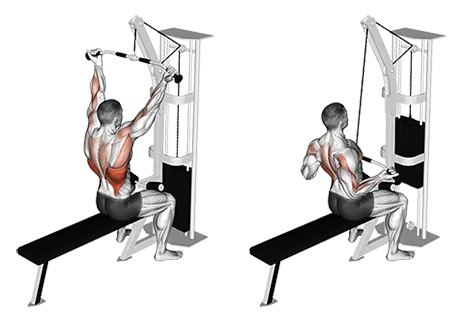
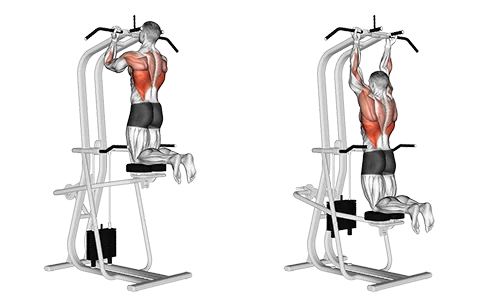
- Pulling Movements: Pull-ups, chin-ups, lat pulldowns.
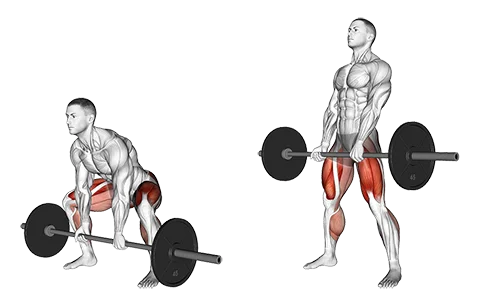
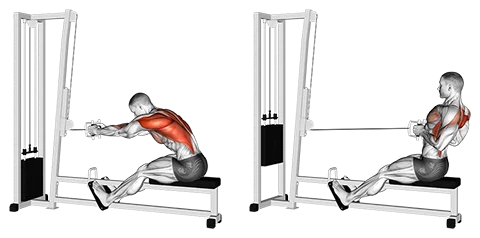
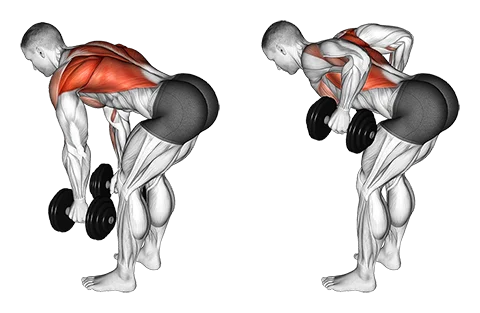
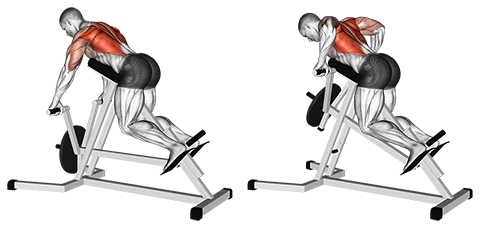
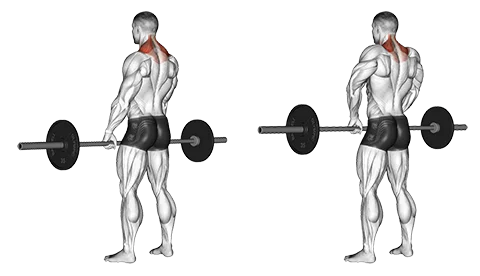
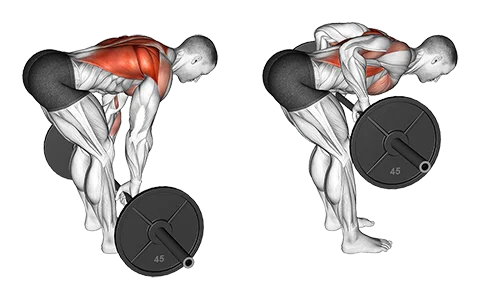
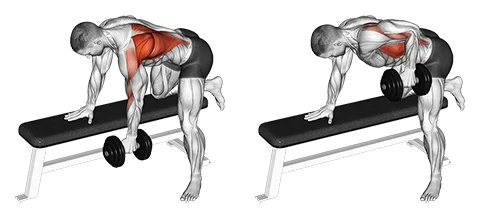
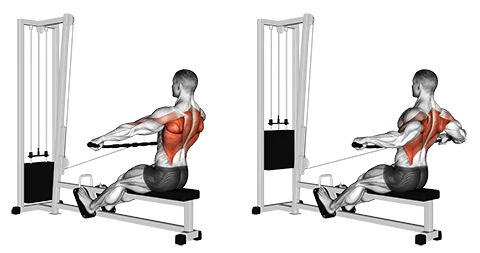
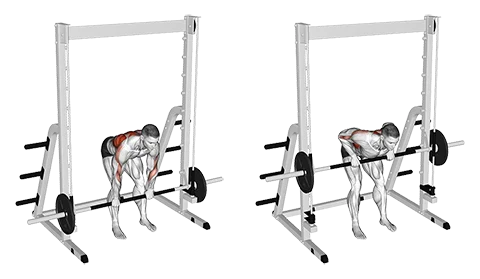
- Rowing Variations: Barbell rows, dumbbell rows, cable rows, T-bar rows.
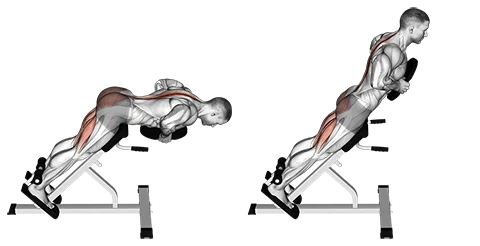
- Back Extensions: Bodyweight or machine-based.
- Stability Work: Bird-dogs, loaded carries, and planks (yes, really).
💡 Pro tip: Focus on pulling with your elbows, not your hands — it helps activate your back more than your arms.
Equipment for Back Training
You can train your back with almost any setup:
- Barbells
- Dumbbells
- Cables
- Machines
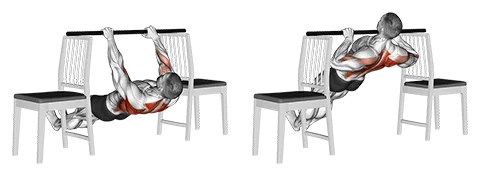
- Bodyweight (pull-ups, inverted rows)
Experiment with grip width, hand position, and angles to fully target every area of the back.
Final Thoughts on Back Training
Back training is foundational. It supports your posture, stabilizes your spine, and makes nearly every other lift possible. But a strong back isn't built by random workouts—it's built with a plan.
If you're serious about getting stronger, you need proof. You need to know if you're truly pushing past last week's effort. Don't just rely on "it feels harder." Track the load.
The only way to guarantee progressive overload is to track your total work volume over time. Keep a precise log of the weights, reps, and sets for your main pulling movements, and you'll see the physical evidence of your progress.
Structuring Your Back Volume for Max Gains
Building back muscle isn't just about doing more sets. It's about making sure your total work increases systematically. This is where most generic routines fail. You might feel tired, but if you don't track your load, you have no proof that you're actually getting stronger.
The key is progressive overload applied to volume:
- Increase Tonnage: Don't just add a rep; add a weight. Aim to increase your sets × reps × weight (tonnage) for key movements (like rows or pull-ups) week over week.
- Manage Specific Volume: Back movements require variety. Some weeks, focus on pure pulling volume (lats). Other weeks, focus on thickness (rhomboids/traps) with heavy rows.
- Prioritize the Stretch: For movements like deadlifts or lat pulldowns, the starting position (the stretch) is where the muscle gets worked. Don't skip the deep negative.
A systematic approach prevents plateaus. If you don't track your cumulative load, you are just guessing if you're progressing.
1–2 dedicated sessions per week, plus pulling work in compound lifts, works well for most lifters.
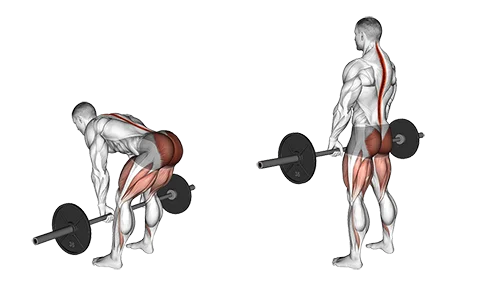
Deadlifts are great for the posterior chain, but rows and pull-ups add essential volume and variety.
Start with assisted pull-ups, band support, or lat pulldowns to build strength over time.
Focus on tracking your total tonnage (weight x reps) for your major pulling movements (rows, pulldowns, deadlifts) and aim to increase that total load 5-10% week over week.