
_Shoulders_small.png)
_Shoulders_small.png)
Strong shoulders do more than cap off your physique — they support nearly every upper-body movement. Whether you're pressing, pulling, or just reaching overhead, healthy delts mean better performance, posture, and injury prevention.
What Counts as a "Shoulder" Exercise?
Shoulder training in Volym focuses on the three deltoid heads:
- Anterior (front): Active in presses and front raises.
- Lateral (side): Critical for width and balanced aesthetics.
- Posterior (rear): Often neglected, but key for posture and stability.
A good routine includes a mix of pressing, raising, and pulling movements.
Popular Shoulder Exercises
These are some of the most effective shoulder exercises you’ll find in the app:
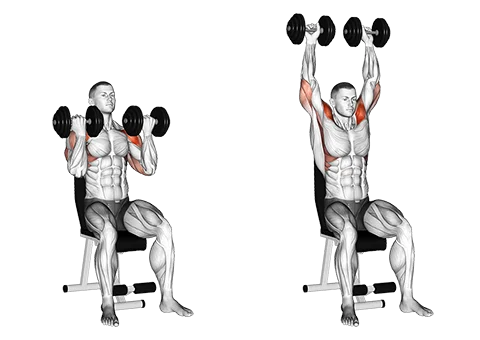
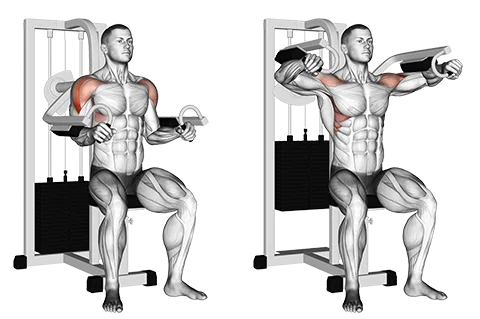
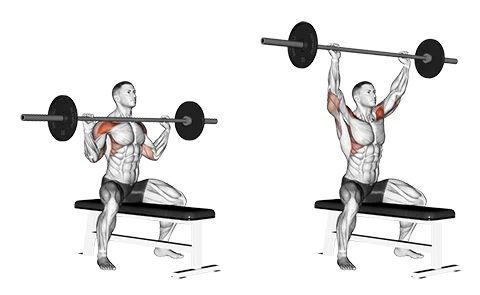
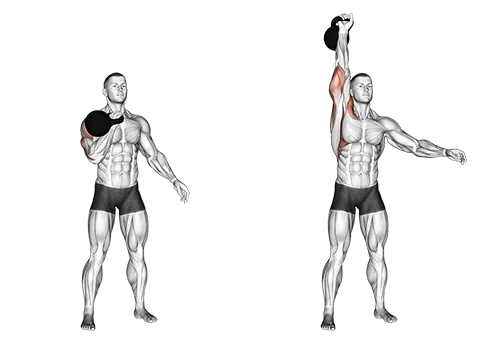
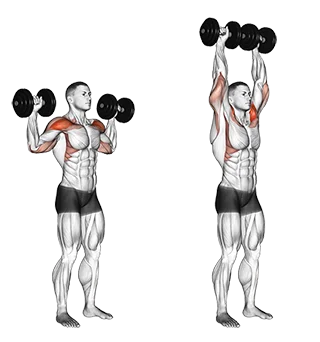
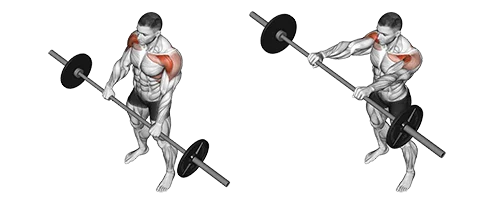
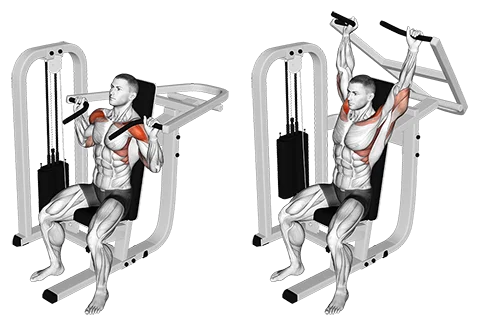
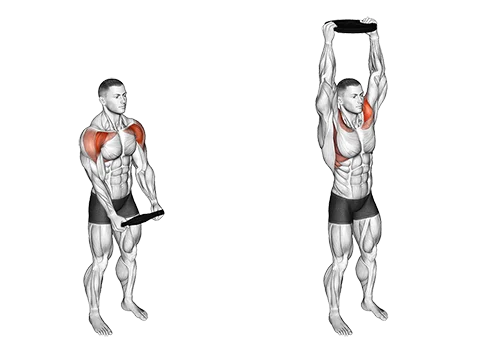
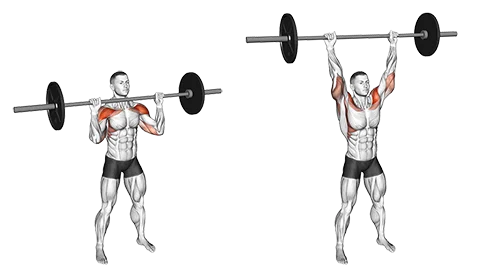
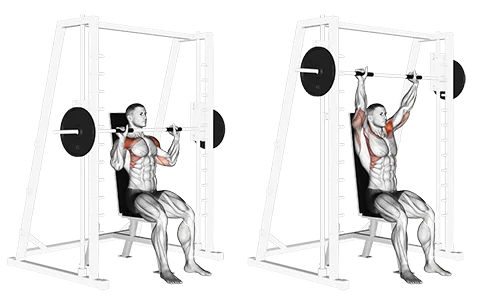
- Overhead Presses: Barbell, dumbbell, or machine — seated or standing.
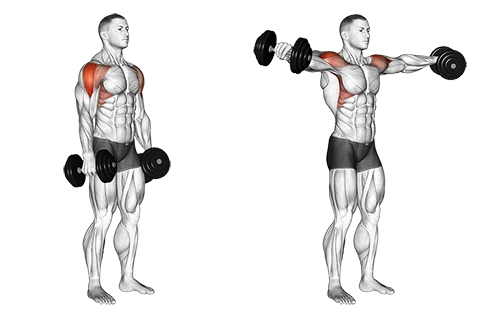
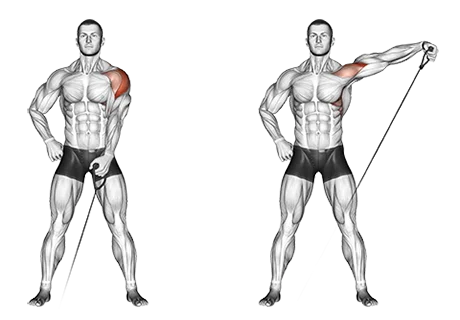
- Lateral Raises: Dumbbells or cables to target the side delts.
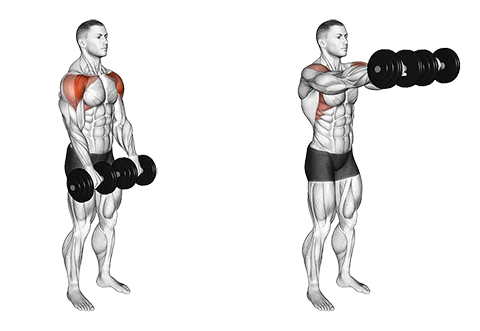
- Front Raises: Emphasize the front delts with strict control.
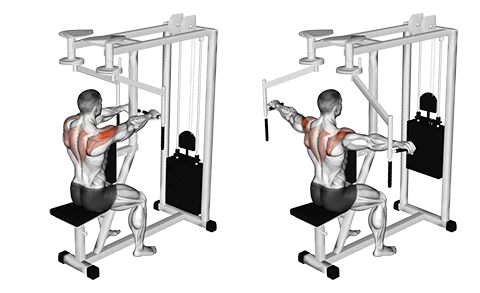
- Rear Delt Flyes: On a bench or cable for balanced development.
- Arnold Presses: Combo movement that hits all three heads.
💡 Pro tip: Don’t go too heavy on raises — time under tension and control often work better than brute weight.
Equipment for Shoulder Training
Shoulders can be trained with almost any setup:
Using different tools and angles helps you fully develop all three deltoid heads.
Final Thoughts: The Strength of Tracking
Shoulder training is a marathon, not a sprint. The biggest gains come from consistency and understanding where your weaknesses lie—usually the rear delts. Never neglect them.
Focus on hitting all three heads with varied movement patterns (pressing, raising, pulling) and, critically, tracking your output. You need to know if today’s workout was actually harder or more taxing than last week’s. Simply doing the exercises isn't enough; you need to prove the overload happened.
If you're serious about strength and symmetry, you need a system that tracks true volume (tonnage). That way, you can't guess if you're progressing or just moving the same weight for the same sets.
Programming Your Shoulders: The Systematic Approach
Shoulders are not a single muscle group; they are a complex joint that requires balanced, calculated input to avoid injury and maximize growth. Thinking of shoulder training as a single "Shoulder Day" is a mistake. Instead, you must cycle through the three deltoid heads systematically.
A balanced routine should not just include exercises, but must ensure adequate volume and load for each head.
- Vertical Push (Anterior Focus): Use presses (OHP, dumbbell press). This builds foundational mass and strength.
- Horizontal Pull (Rear Focus): Include rows and rear delt flyes. This is critical for posture and preventing imbalances caused by chest work.
- Lateral Focus (Side): Implement lateral raises or lateral machine work. This gives the illusion of width and completes the sweep.
Actionable Checklist for a Balanced Session:
- Warm-up: Dynamic stretches (arm circles, band pulls).
- Heavy Compound: Choose one primary press (e.g., Dumbbell OHP).
- Accessory Focus: Add a dedicated rear delt movement (e.g., Face Pulls).
- Isolation Finish: Finish with high-rep, moderate-weight side raises.
1–2 times per week is plenty — especially if you’re pressing in other workouts. Just make sure all three heads get attention.
Overhead presses build mass and strength, while lateral and rear raises shape and refine.
Yes — they’re often undertrained and important for posture and shoulder health. Add rear delt flyes or face pulls to stay balanced.