

_Waist-FIX_small.png)
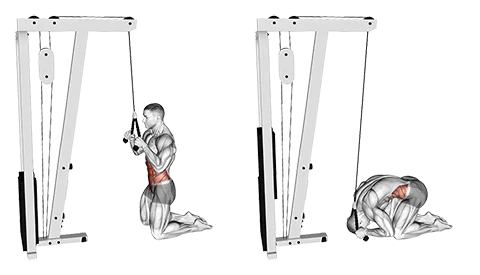
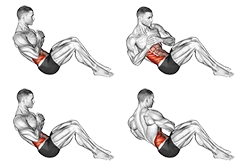
-(male)_Waist_small.png)
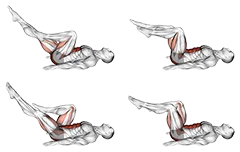
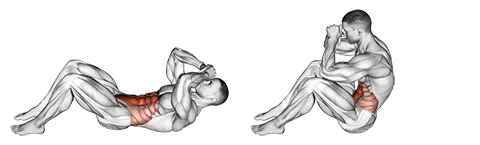
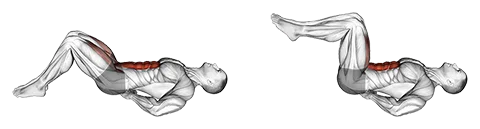
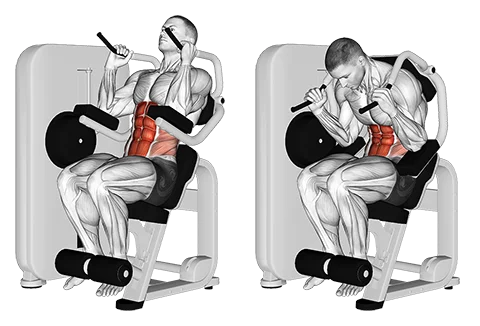
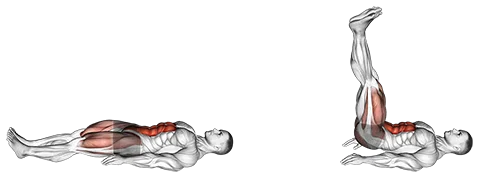
_Waist_small.png)
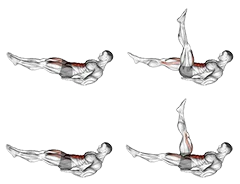
A strong core is about more than just visible abs — it's the foundation for nearly every movement in your training. From stability to posture to power transfer, core training plays a central role in performance and injury prevention.
What Counts as a "Core" Exercise?
Core exercises go beyond crunches. In Volym, we include movements that target:
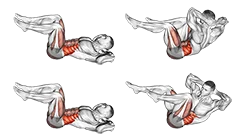
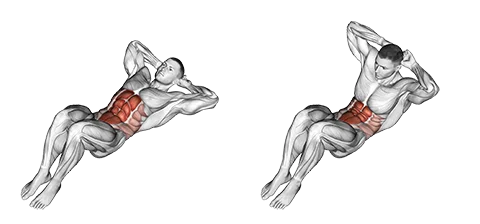
- Rectus Abdominis: Your classic six-pack muscle.
- Obliques: For rotation and lateral flexion.
- Transverse Abdominis: Deep internal core — key for bracing and stability.
- Spinal Stabilizers: Help you maintain posture and control during lifts.
A good core program balances movement and stability-based work.
Popular Core Exercises
Some of the most effective core exercises in Volym include:
- Planks & Side Planks: Anti-extension and anti-lateral flexion strength.
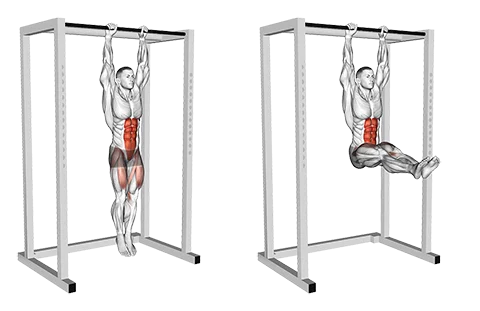
- Hanging Leg Raises: Lower abs and hip flexor control.
- Cable Woodchoppers: Oblique rotation under load.
- Deadbugs & Bird-Dogs: Core control and coordination.
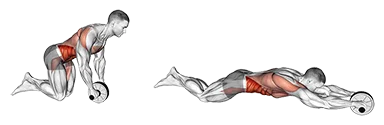
- Ab Rollouts & Hollow Holds: High-tension, deep core engagement.
💡 Pro tip: You don’t need hundreds of crunches. Focus on quality reps and resisting movement, not just creating it.
Equipment for Core Training
Core work can be done anywhere — with or without tools:
- Bodyweight
- Cables
- Plates or dumbbells for loaded carries and weighted sit-ups
- Other tools like sliders, ab wheels, or bands
Try mixing in static holds, dynamic movements, and rotation-based work for a well-rounded approach.
Progressive Core Training: Loading Your Stability
Most people train core based on what looks good in the mirror. That's a low-effort, low-return strategy. True core strength isn't about doing 100 crunches; it's about building resilience and stability under increasing load. When programming, you need variety and progression.
Here are three ways to apply overload to your core work:
- Increase Time Under Tension (TUT): For static holds (Planks, Hollow Holds), don't just hold for 30 seconds. Aim to increase the duration by 5–10 seconds each week, or slow the tempo down (e.g., 3-second descent, 1-second pause).
- Increase Resistance (Load): Move from bodyweight exercises to weighted carries (using dumbbells) or cables (like weighted woodchoppers). This changes the entire stimulus from endurance to pure strength.
- Increase Complexity/Asymmetry: Instead of bilateral work (e.g., two-arm rows), focus on single-limb movements (single-arm rows, suitcase carries). The small muscles on one side have to work harder to compensate, building functional strength and correcting imbalances.
Remember: Your core is a system. Treating it like a standalone vanity muscle group will prevent you from getting genuinely powerful and injury-resistant. It's all about tracking the load—how much resistance you can withstand over time.
2–3 times per week is plenty. Include a mix of stability, rotation, and flexion movements.
It can! Strengthening the core (especially the deeper stabilizers) often improves posture and spinal support.
Core training helps, but visible abs come down to body fat levels — nutrition plays a big role.