
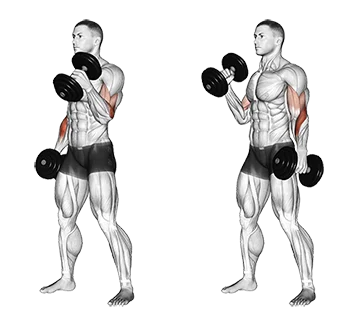
_Upper-Arms_small.png)
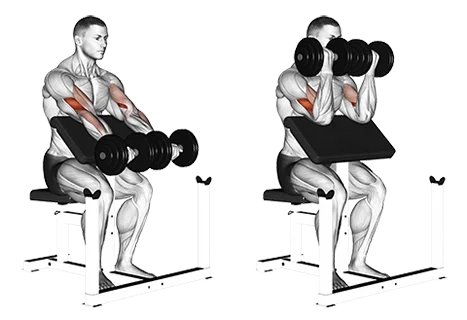
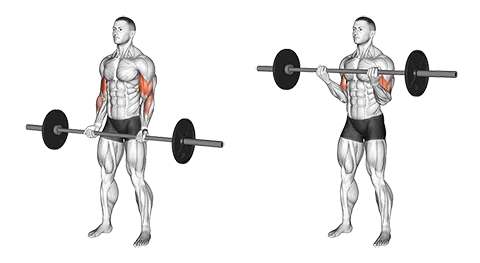
_Upper-Arms-FIX_small.png)
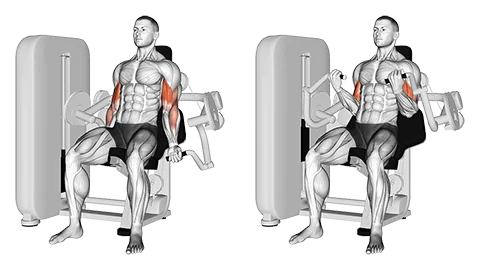
-(male)_Forearms-FIX_small.png)
_Forearms_small.png)
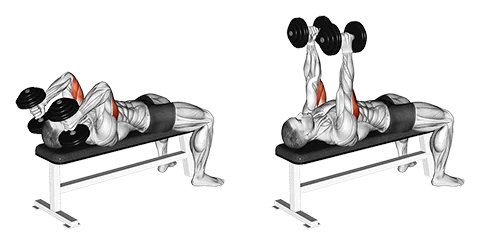
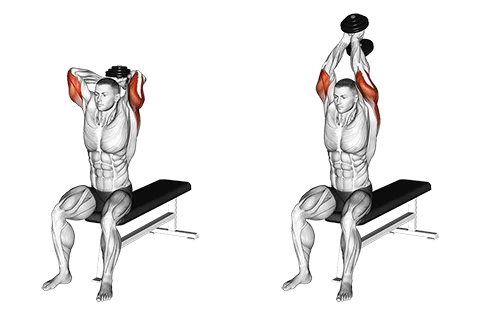
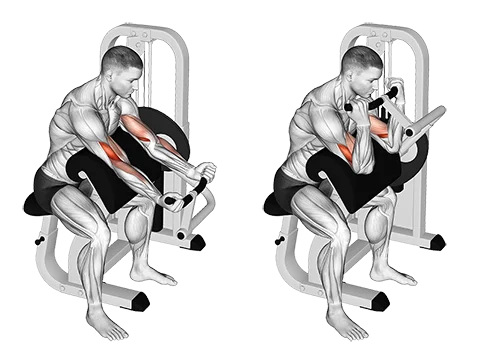
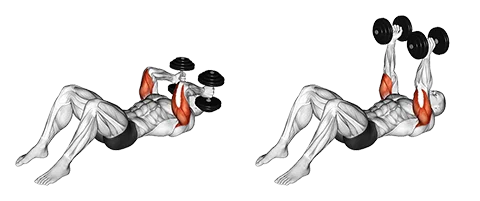
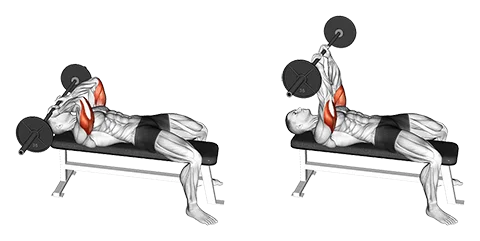
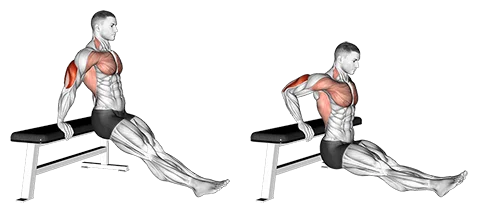
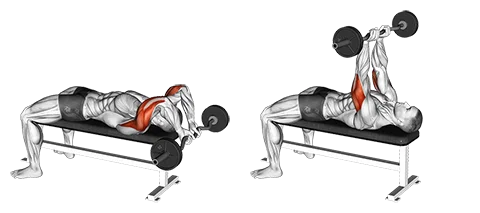
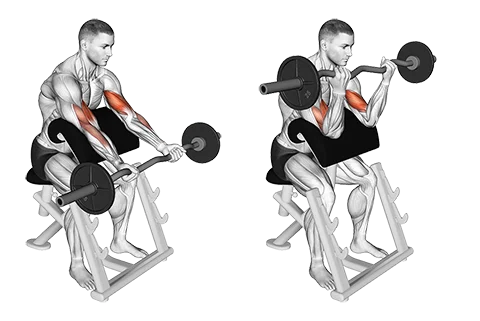
_Upper-Arms_small.png)
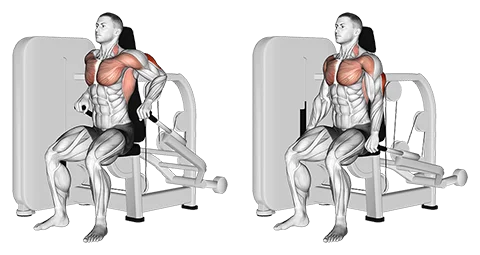
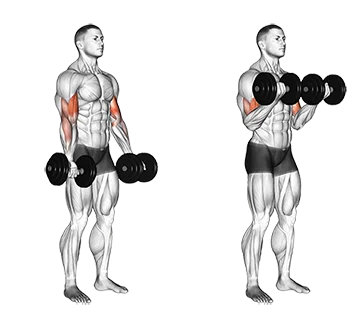
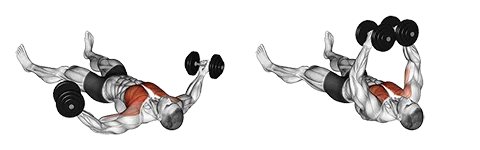
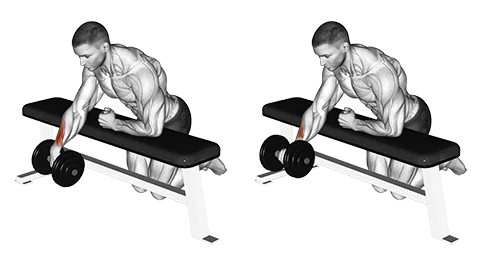
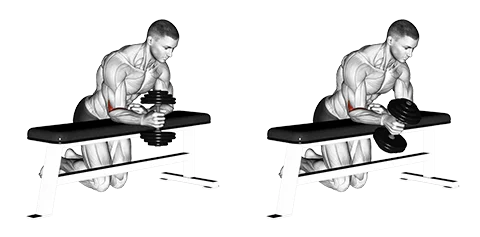
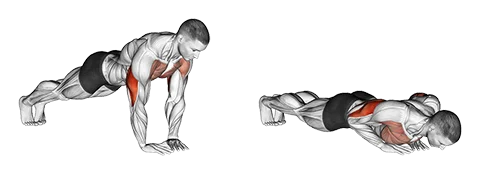
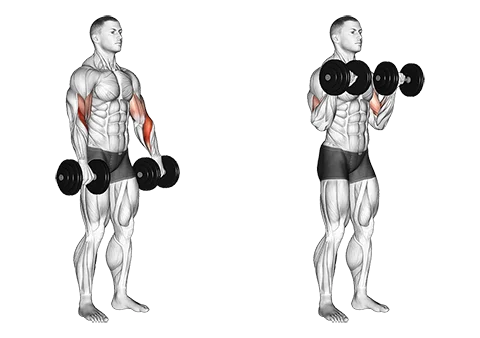
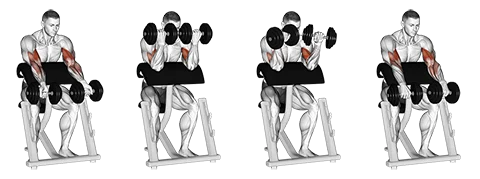
Looking to build bigger, stronger arms? You’re in the right place. This section covers exercises that target your biceps, triceps, and forearms — from curls to extensions and everything in between.
What Counts as an "Arm" Exercise?
In Volym, we consider these key muscle groups part of arm training:
- Biceps: Front of the upper arm — flex the elbow, turn the palm.
- Triceps: Back of the upper arm — extend the elbow and stabilize pressing.
- Forearms: Grip, wrist control, and carry strength.
Whether your goal is strength, size, or endurance — arm-focused exercises help you press heavier, pull harder, and (let’s be honest) fill out your sleeves.
Key Movements for Arm Development
Instead of just listing movements, focus on structure. Remember that most arm work is actually compound work.
- Biceps: For peak development, ensure you hit both the peak (short head) and the length (long head) of the muscle. Think curls for the peak, and incline rows or hammer curls for the stretch.
- Triceps: The triceps has three heads. You need exercises that hit all of them:
- Lateral Head: Overhead extensions (long stretch).
- Medial Head: Close-grip pressing (straight out).
- Anterior Head: Pushdowns (at the elbow).
- Forearms: Grip strength is often neglected. Integrate farmer’s carries or static holds into your routine. This improves wrist stability and raw grip endurance.
Equipment for Arm Training
Arms can be hit with just about any tool:
- Dumbbells
- Cables
- EZ Bar
- Bodyweight (for dips, push-ups, etc.)
Mix up your grips, angles, and tools to hit all heads of the biceps and triceps.
Final Thoughts
Whether you're chasing peaks or horseshoes, a solid arm routine adds more than just looks — it boosts performance in both upper- and lower-body lifts.
And yes, you’re allowed to enjoy the pump. 💪
How to Actually Build Bigger Arms (The Strategy)
Don't just perform exercises. You need a plan. Arm growth is about accumulated work—a concept called volume. Thinking about arms in isolation is inefficient. The goal is to maximize progressive overload on biceps, triceps, and forearms without causing excessive overuse injuries or burning out the joints.
Here’s the strategy:
- Prioritize the Antagonists: When you train triceps, they are already active stabilizers during biceps work (and vice versa). Don't train them back-to-back in high volume. Balance the tension.
- Control the Eccentric: Never drop the weight. The negative (eccentric) phase—the lowering of the weight—is where the most damage (and subsequent growth) occurs. Slow it down.
- Track the Tonnage: Volume is simply sets × reps × weight. If you do the exact same routine every week with the same weight and reps, you are hitting a plateau, not progressing. Your total load must creep up over time.
When you start tracking your total training load, you can objectively see if your volume is actually increasing week over week.
Effectiveness isn't based on how much soreness you feel, but on consistent progressive overload. You must prove the total load (tonnage) is increasing over time.
No. They are small, high-use muscles. Training them every 2–3 days, after a major push or pull day, is usually enough for growth.
Start with the compound movements (like close-grip bench or weighted curls) when you are fresh. Finish with isolation work (like cable pushdowns) when you are warmed up.